
Why Utility Rates Are Outpacing Inflation — and What That Means for Building Strategy
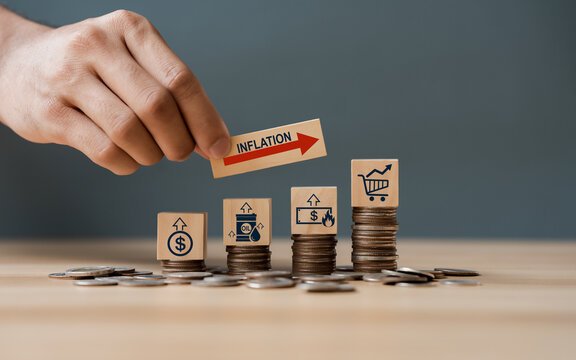
For years, building owners have been told that utility rates will “rise gradually.” But what we’re seeing today is far from gradual. Across major U.S. cities, electricity, gas, and water rates are climbing significantly faster than inflation. In markets like Los Angeles, San Francisco, and San Jose, owners are feeling the pressure more than ever.
This isn’t just a budgeting inconvenience. It’s a structural shift in how buildings must be managed. Rising utility costs are reshaping financial models, compliance strategies, and long-term asset planning. The owners who recognize this early will adapt. The ones who don’t will absorb costs they could have prevented.
Here’s why rates are accelerating so quickly, and what this means for your building strategy in the years ahead.
1. Why Utility Rates Are Rising Faster Than Inflation
Utility bills used to be predictable. Today, they’re anything but. Three major drivers are behind the recent spikes.
Aging Infrastructure
Many utilities are operating with infrastructure that is decades old. Repairing, maintaining, and upgrading these systems requires billions of dollars, and those costs are passed directly to customers. This includes:
Gas pipeline replacement projects
Electrical grid modernization
Water infrastructure repairs
Cities like Los Angeles and San Francisco face particularly high costs because urban density complicates upgrades. When infrastructure projects take longer and cost more, utility rates rise faster.
Climate-Driven Instability
Climate impacts are making energy delivery more expensive. Rising temperatures increase electricity demand, especially for cooling. Wildfires and extreme weather disrupt supply, creating volatility in wholesale energy markets.
Utilities now invest more heavily in:
Fire-hardening the grid
Backup systems and redundancy
Emergency power reserves
Renewable energy integration
Each of these initiatives is necessary, but they sharply increase operational costs. Inflation might grow at three to four percent, but utility rates can jump by double digits because the underlying risks have changed.
Regulatory Pressure and Clean Energy Targets
California is pursuing some of the most aggressive decarbonization policies in the country. Utilities must meet renewable energy targets, reduce emissions, and support electrification at a massive scale.
This means billions in:
Solar and battery storage development
Transmission line upgrades
Demand management programs
Electrification infrastructure
These investments accelerate faster than inflation because the mandates accelerate faster.
2. The Financial Impact on Building Owners
Utility spikes are no longer temporary fluctuations. They’re cost increases that compound annually. For building owners, this affects far more than monthly bills. It reshapes financial decisions across the portfolio.
Budgets Get Tighter
If utility costs rise faster than rent escalations or operating income, margins shrink. Owners who used to treat energy costs as “fixed” are now seeing:
Unpredictable year-over-year increases
Higher variance between seasons
Reduced NOI without operational changes
Buildings that were financially stable five years ago may feel squeezed today.
Compliance Becomes More Urgent
Cities like Los Angeles (EBEWE), San Francisco (EBO), Berkeley (BESO), and San Jose (BPO) require better energy performance. The penalties for non-compliance look small compared to the losses caused by inefficient systems.
Benchmarking, ASHRAE Level II audits, and RCx are no longer compliance obligations. They’re defensive strategies against runaway utility costs.
Capital Planning Must Shift
Owners can no longer treat efficiency upgrades as discretionary. When rates outpace inflation, efficiency measures deliver higher returns every year.
This changes:
Payback periods
Internal rate of return
Investment priorities
An upgrade that used to pay for itself in five years might now pay for itself in three simply because utility costs have climbed so quickly.
3. Why Efficiency Is Now the Best Hedge Against Rising Rates
When owners try to “wait out” utility volatility, they lose. Rates won’t drop back to pre-2019 levels. The grid won’t get cheaper to operate. Climate risks won’t disappear.
Efficiency isn’t a green initiative. It’s financial mitigation.
A Building’s Load Profile Matters More Than Ever
Demand charges, peak usage, and after-hours waste cost far more today than they used to. Buildings with unmanaged load profiles overpay every single month.
Owners who perform RCx or deeper audits often find:
HVAC running overnight
Misconfigured BMS schedules
Simultaneous heating and cooling
Faulty sensors increasing run times
Fixing these issues is inexpensive compared to the cost of letting them continue under rising rates.
Electrification and Modernization Create Long-Term Savings
Electrification isn’t just a climate goal. It’s a cost-control strategy.
Examples include:
Replacing old gas boilers with heat pumps
Updating lighting to efficient LED systems
Upgrading controls and automation
Installing variable frequency drives
These measures reduce consumption immediately, and as utility rates climb, the savings become even more valuable.
Benchmarking Data Helps Predict Future Costs
Programs like Los Angeles EBEWE, San Francisco EBO, and Berkeley BESO force owners to collect data. Instead of viewing benchmarking as a compliance task, use it as forecasting.
Energy use patterns reveal:
Equipment nearing failure
Seasonal inefficiencies
Tenant behavior problems
System upgrades with the fastest payback
Buildings that use benchmarking strategically outperform those that treat it as a checklist item.
4. What Building Owners Should Do Now
Rising utility rates are out of your control. Your building’s response is not. Here are the steps owners should take to protect NOI and stay ahead.
Conduct a Detailed Energy Audit
A real audit (not a generic checklist) identifies precise, building-specific opportunities for cost reduction. Every major city compliance framework treats audits as the foundation for a long-term efficiency plan.
Implement Low-Cost Operational Fixes First
Scheduling changes, sensor repairs, and BMS tune-ups often deliver immediate savings without capital investment. These measures blend speed with impact.
Plan Capital Improvements Early
If heat pumps or major HVAC upgrades are on your horizon, act before utility spikes push payback periods further out. Early action locks in savings.
Track Benchmarking Data Over Time
Trend analysis reveals how efficiently—or inefficiently—your building reacts to rising rates.
Consider an Energy Compliance Service Partner
Managing audits, benchmarking, RCx, capital planning, and reporting takes time. Dedicated energy compliance service providers help owners meet legal requirements while building a long-term strategy for cost control.
Final Thoughts
Utility rates are rising faster than inflation because the energy landscape has fundamentally changed. Infrastructure, climate pressures, and regulatory targets are driving costs upward in a way that building owners can no longer ignore.
But the owners who act early stand to gain. Efficiency is one of the few levers that reduces operating expenses year after year. The sooner a building becomes more efficient, the better protected it is from volatile rates.
Rising utility costs are not a temporary trend. They’re a signal. And for owners who are paying attention, they’re also an opportunity.
